When property damage turns your life upside down, the last thing you want is another battle waiting around the corner. Yet that’s exactly what many homeowners and business owners discover when they file an insurance claim. The difference between a disappointing settlement and a fair recovery often comes down to one thing: representation. That’s why understanding why a public adjuster changes the outcome is so important. A public adjuster works exclusively for the policyholder, not the insurance company, and that distinction can significantly impact the final result.
Many people assume insurance claims are straightforward. File the claim. Schedule the inspection. Receive payment. Simple, right? Unfortunately, reality is often much different. Insurance claims involve documentation, policy interpretation, damage valuation, negotiations, and detailed evidence. Small mistakes can cost thousands of dollars. Overlooked damage can lead to denied repairs. Missing documentation can delay recovery for weeks or even months. This is where a public adjuster can make an enormous difference.
Understanding the Insurance Claims Process
After a fire, hailstorm, water leak, or wind event, most property owners focus on immediate concerns. Protecting the property. Keeping family members safe. Preventing additional damage. Insurance paperwork usually comes later.
The standard claims process generally follows these steps:
| Claim Stage | What Happens |
| Claim Reporting | Loss is reported to insurer |
| Inspection | Adjuster evaluates damage |
| Estimate Creation | Repair costs are calculated |
| Coverage Review | Policy terms are applied |
| Settlement Offer | Insurance company issues payment |
The process looks simple on paper. However, every stage contains opportunities for errors, omissions, and disagreements. A missing line item today may become an out-of-pocket expense tomorrow.
Who Actually Represents Your Interests?
One of the biggest misconceptions in insurance claims involves adjusters themselves. Many policyholders assume every adjuster is working for them. That is not the case.
Insurance Company Adjusters
Insurance company adjusters work directly for the insurer. Their responsibility is to investigate claims and determine payments according to company guidelines and policy provisions.
Independent Adjusters
Independent adjusters are often hired by insurance companies during periods of high claim volume. Although they are not direct employees, they still represent the insurance carrier.
Public Adjusters
Public adjusters represent only one party. The policyholder. Their goal is to maximize legitimate claim recovery under the terms of the insurance policy. That difference alone helps explain why a public adjuster changes the outcome in many situations. When someone is focused entirely on your side of the claim, the process changes. The attention to detail changes. The negotiation strategy changes. The final settlement often changes as well.
Documentation Drives Claim Outcomes
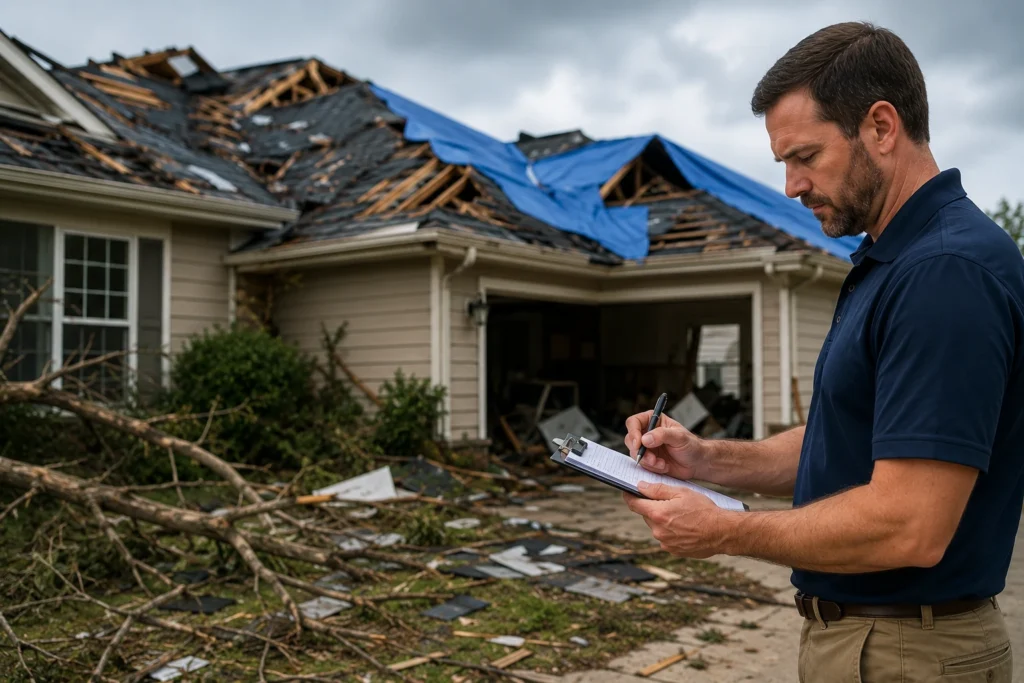
Insurance companies cannot pay for damage that is not documented. That sounds obvious. Yet it is one of the most common reasons claims are underpaid. Many property owners identify visible damage while missing hidden losses entirely.
Examples include:
- Moisture trapped behind walls
- Smoke contamination inside HVAC systems
- Structural shifting
- Insulation damage
- Roofing underlayment deterioration
- Electrical system damage
A public adjuster performs a detailed inspection designed to identify every covered loss.
This process typically includes:
- Comprehensive photographs
- Room-by-room evaluations
- Detailed repair estimates
- Personal property inventories
- Contractor coordination
- Expert consultations when necessary
The stronger the documentation, the stronger the claim. That’s a major reason why a public adjuster changes the outcome for homeowners and businesses facing significant property damage.
Understanding the Fine Print
Insurance policies are contracts. Long contracts. Complicated contracts. Many contain dozens of pages filled with definitions, exclusions, endorsements, limitations, and coverage extensions. Unfortunately, many policyholders never read the entire document until disaster strikes. Even then, understanding what the policy actually covers can be challenging. A public adjuster reviews policy language carefully to identify benefits that may otherwise be overlooked.
Commonly missed coverages include:
- Additional Living Expenses (ALE)
- Debris removal
- Code upgrade coverage
- Temporary repairs
- Business interruption coverage
- Ordinance and law provisions
These coverages can represent substantial financial value. Missing them can significantly reduce the amount recovered. This is another key example of why a public adjuster changes the outcome.
The First Settlement Offer Is Not Always the Final Number
Many people believe the insurance company’s first offer is fixed. It is not. Initial estimates frequently require revision as additional information becomes available. Consider a roof claim. An initial inspection may identify damaged shingles.
Later inspections may reveal:
- Damaged flashing
- Compromised underlayment
- Vent damage
- Gutter damage
- Water intrusion
The scope of repairs grows. The claim value grows. The settlement changes. That process often depends on someone identifying those additional losses and presenting supporting evidence.
Public adjusters specialize in exactly that.
The Importance of Accurate Damage Valuation
Property damage is not simply about identifying what broke. It is also about determining what it costs to restore. Construction costs fluctuate constantly. Labor costs change. Material prices increase. Regional pricing varies significantly. A settlement based on outdated pricing may leave property owners covering substantial gaps themselves.
Public adjusters develop detailed estimates using current market conditions and industry-standard valuation methods. The result is a more accurate representation of actual repair costs. This helps explain why a public adjuster changes the outcome during negotiations.
The Negotiation Process Matters More Than Most People Realize
Insurance claims involve negotiation. Not arguments. Not confrontations. Negotiation. Successful negotiations depend on facts.
Evidence. Documentation. Professional communication. Public adjusters understand how claims are evaluated and how supporting evidence influences decisions. Instead of relying on opinions, they present documentation that supports a higher valuation when justified.
That often includes:
- Contractor estimates
- Engineering reports
- Moisture readings
- Repair invoices
- Market pricing data
Insurance companies respond to evidence. The better the evidence, the stronger the negotiating position.
Hail Damage Claims Often Reveal the Value of Representation
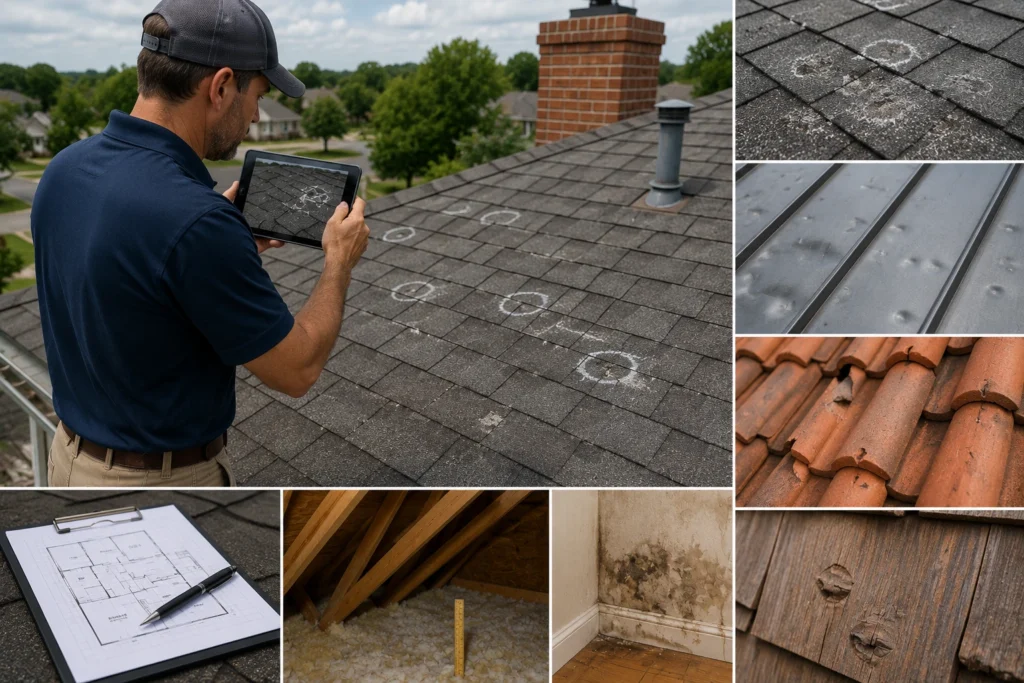
Hail claims provide one of the clearest examples of why a public adjuster changes the outcome. Not all hail damage looks the same. Different roofing materials react differently to impacts. Metal roofs show dents. Asphalt shingles may lose granules. Tile roofs may crack. Wood shakes may split.
Many property owners search online for guidance about How to Identify Hail Damage by Roof Type, but visual inspections alone rarely tell the full story. Professional evaluations often uncover damage hidden beneath the surface. That additional evidence can dramatically affect claim outcomes.
In the middle of many complex property claims, understanding technical concepts can be helpful. For example, the scientific study of material stress and structural behavior is closely related to the field of Tribology, which examines friction, wear, and surface interactions that can influence how building materials respond to repeated impacts and environmental exposure.
Fire and Smoke Claims Are Often More Extensive Than They Appear
Fire damage extends far beyond burned materials. Smoke travels. Heat spreads. Contaminants settle throughout the structure. Many losses remain invisible without proper investigation.
Smoke can affect:
- Electronics
- Furniture
- Clothing
- Insulation
- Air ducts
- Structural materials
Without detailed documentation, portions of the damage may never be included in the claim. Public adjusters help ensure the full scope is identified and presented properly. Again, this demonstrates why a public adjuster changes the outcome.
Commercial Claims Present Unique Challenges

Commercial property claims introduce another level of complexity.
Business owners may face:
- Property damage
- Revenue losses
- Operational interruptions
- Tenant issues
- Inventory damage
A claim involving business interruption alone may require extensive financial documentation. Many business owners simply do not have the time to manage these requirements while simultaneously trying to keep operations running. Public adjusters help organize, document, and present these losses in a structured manner.
The Cost of Handling a Claim Alone
Many property owners choose to manage claims themselves. Sometimes that works. Other times, it becomes expensive.
Common mistakes include:
- Accepting the first offer too quickly
- Failing to document hidden damage
- Missing deadlines
- Underestimating repair costs
- Overlooking policy benefits
These mistakes often result in lower settlements. Not because coverage is unavailable. Because the claim was not fully developed.
Why Addison Property Owners Benefit From Local Expertise
Property claims are never one-size-fits-all. Local conditions matter. Repair costs matter. Weather patterns matter. For homeowners and business owners in Addison, understanding local property damage trends can be extremely valuable. North Texas experiences severe hail, windstorms, and sudden weather events that create unique claim challenges.
Contractor pricing in Addison may differ from pricing in other markets. Damage patterns in Addison often differ from those seen elsewhere. Local knowledge helps create more accurate claims. That local understanding is one reason many property owners in Addison seek professional claim representation. When severe weather strikes Addison, having an advocate who understands local conditions can make the process smoother and more effective.
When Should You Consider Hiring a Public Adjuster?
Not every claim requires professional representation. However, certain situations often justify expert assistance.
Consider contacting a public adjuster if:
- The damage is substantial
- The claim has been denied
- The settlement seems low
- Multiple structures are involved
- Business interruption losses exist
- Policy language is unclear
The earlier a public adjuster becomes involved, the more opportunity exists to develop a comprehensive claim strategy.
The Financial Impact of Professional Representation
Some people hesitate because they focus solely on the fee. A better question is this: What is the cost of an underpaid claim?
A public adjuster’s value comes from improving documentation, uncovering overlooked damage, identifying additional coverage, and strengthening negotiations. Their interests are aligned with the policyholder’s success. When the claim improves, everyone benefits. That alignment is a powerful advantage.
Why Addison Public Adjuster Makes a Difference
Property damage is stressful enough. The claims process should not add unnecessary frustration. A qualified public adjuster provides organization, expertise, and advocacy throughout every stage of the claim.
From documenting damage and reviewing policy language to negotiating settlements and managing communications, their involvement often changes both the experience and the final result. For homeowners and business owners in Addison, professional representation can be the difference between accepting what is offered and recovering what is truly owed.
Conclusion
Insurance claims are rarely just paperwork. They are financial negotiations supported by evidence, documentation, and policy interpretation. Every photograph matters. Every estimate matters. Every line item matters. That is ultimately why a public adjuster changes the outcome. They help uncover hidden damage, identify overlooked coverage, develop stronger documentation, and negotiate from a position of knowledge rather than uncertainty.
For property owners facing significant losses, the right representation can transform the entire claim process. And in many cases, it can transform the final settlement as well. If you’ve experienced property damage in Addison and want to ensure your claim is evaluated thoroughly, speaking with a qualified public adjuster may be one of the most important decisions you make during the recovery process.
FAQs
A public adjuster represents policyholders during insurance claims and works to maximize the settlement they are entitled to receive.
They improve documentation, identify overlooked damage, and negotiate directly with the insurance company on the policyholder’s behalf.
Yes. Insurance company adjusters work for the insurer, while public adjusters work exclusively for the policyholder.
Consider hiring one for large losses, denied claims, underpaid claims, or complex property damage situations.
Yes. Public adjusters often identify hidden hail damage that may be missed during a standard inspection.
Absolutely. They can assist with property damage, business interruption losses, inventory claims, and other commercial claim issues.
Yes. They analyze policy language to identify applicable coverages and benefits that may otherwise be overlooked.
They document structural damage, water damage, smoke damage, roofing issues, personal property losses, and other covered damages.
Yes. A public adjuster can often step in after a claim has been filed to review documentation and pursue additional compensation when appropriate.
For many policyholders, professional representation can result in a more complete claim and a stronger settlement outcome.