
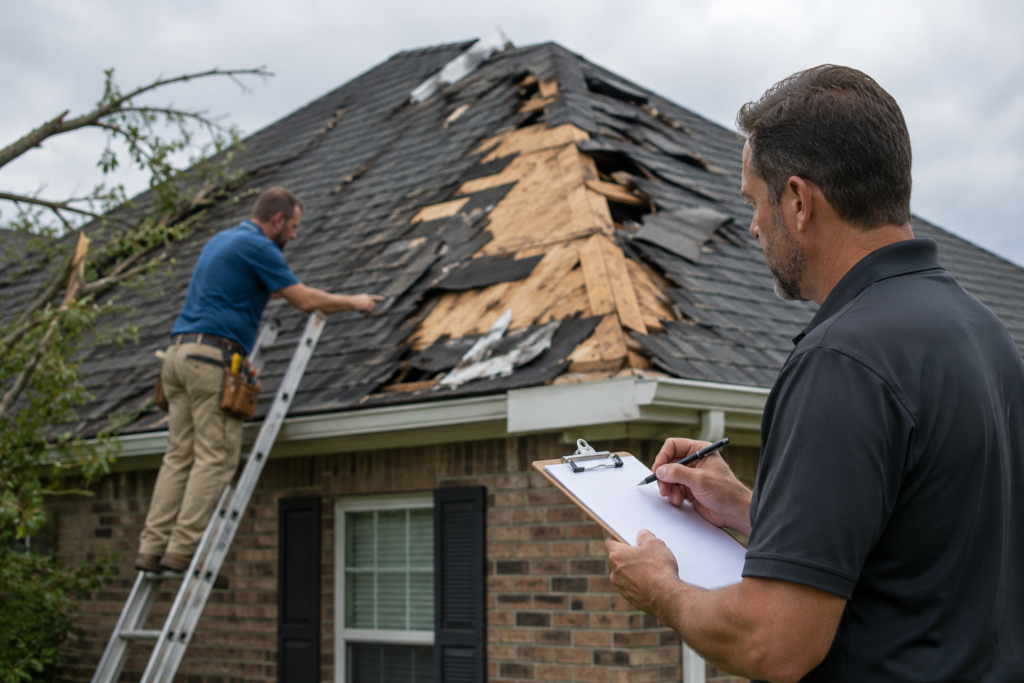
When a storm pounds a neighborhood with hail, high winds, or driving rain, most homeowners assume the insurance inspection will uncover every bit of damage. Unfortunately, that is not always the case. What insurance adjusters miss on roof claims can have a direct impact on how much money is ultimately paid for repairs, and those missing items can add up fast.
A roof claim is rarely just about shingles. In reality, a storm can damage flashing, vents, underlayment, gutters, ridge caps, attic insulation, interior drywall, and countless other components that work together as a complete roofing system. If even a few of those items are overlooked during an inspection, the resulting estimate may not fully reflect the true cost of restoring the property.
I’ve seen homeowners feel relieved after receiving an insurance estimate, only to discover weeks later that major repairs were not included. Contractors begin work, hidden damage is uncovered, and suddenly the claim becomes far more complicated than expected. That is why understanding what insurance adjusters miss on roof claims is so important. The more informed a homeowner is before accepting a settlement, the better positioned they are to protect their property and finances.
Roof Claims Are More Complex Than Most People Realize
Most homeowners only file a roof claim once or twice in their lifetime. Insurance professionals handle them every day. That experience gap often creates misunderstandings. Many people assume a roof inspection is straightforward. Damage is found. Measurements are taken. A repair estimate is created.
Simple. But roof claims involve much more than visible damage. Inspectors must evaluate roofing materials, identify storm-created impacts, understand local building codes, account for labor requirements, determine repairability, and document every affected component. Miss one detail and the entire scope can change. That is why roofing claims are among the most disputed property insurance claims in the country.
Understanding the Role of an Insurance Adjuster
Insurance adjusters perform an important function. They investigate losses, evaluate damages, review policy provisions, and prepare estimates that help determine claim payments. Most adjusters genuinely try to perform accurate inspections. However, they face challenges. After a major storm, adjusters may be assigned dozens of inspections each week. Tight schedules, weather conditions, safety concerns, and claim volume can all affect the depth of an inspection.
This does not automatically mean an estimate is wrong. It does mean that important details can sometimes be missed. The question is not whether adjusters are making mistakes intentionally. The question is whether the inspection captured the full scope of damage.
Why Roof Damage Is Frequently Underestimated
Several factors contribute to under-scoped claims.
Limited Inspection Time
Some inspections are completed surprisingly quickly. While efficiency is important, roofing systems are complex. A short inspection may not allow enough time to thoroughly evaluate every component.
Safety Restrictions
Steep roofs, wet surfaces, and structural concerns sometimes prevent full access. When inspectors cannot safely access certain areas, damage may remain hidden.
Dependence on Technology
Aerial imagery and drones have become increasingly common. These tools are useful, but they cannot always identify subtle damage visible only during close-up examination.
Hidden Damage
Many roofing components exist beneath the visible surface. Without invasive inspection methods, certain forms of damage may go undetected. These factors explain why what insurance adjusters miss on roof claims remains such an important issue for homeowners.
Hidden Wind Damage Often Goes Undetected
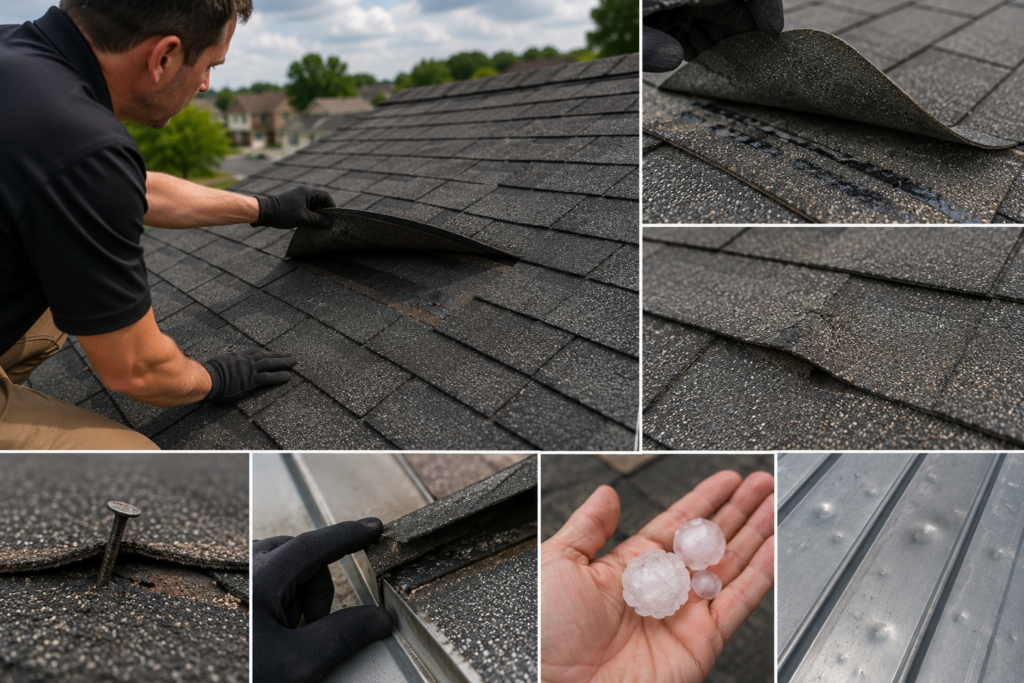
Wind damage is one of the most commonly overlooked roofing problems. Many people expect to see missing shingles after a storm. That is obvious damage. The more concerning damage often remains hidden. Strong winds can lift shingles just enough to break adhesive seals. They may crease shingles, loosen fasteners, or create weaknesses that are difficult to detect from the ground.
Common hidden wind damage includes:
- Lifted shingles
- Broken seal strips
- Creased tabs
- Nail pull-through
- Detached fasteners
- Compromised flashing
The roof may appear functional today. Months later, however, those weakened areas may allow water intrusion or fail during the next storm. That delayed damage often surprises homeowners. The storm happened months ago. The roof looked fine. Then leaks suddenly appear. The damage was there all along. It simply wasn’t discovered.
Hail Damage Is Not Always Obvious
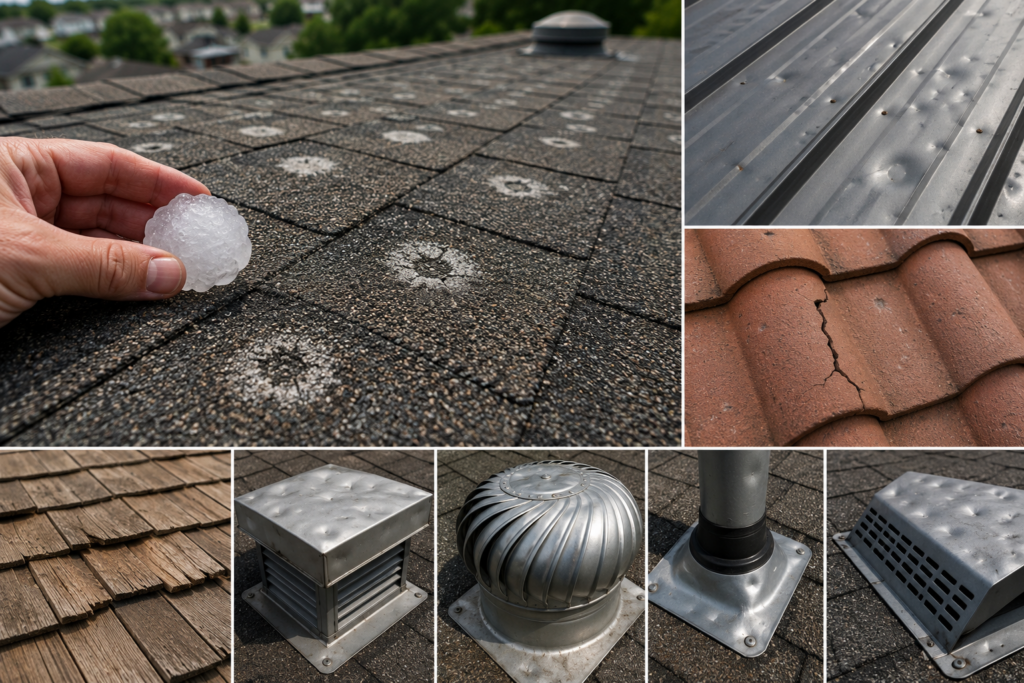
Hail creates another major challenge. Many homeowners expect hail damage to resemble dents in a vehicle. Roof damage rarely looks that obvious. Different roofing materials react differently to hail impacts.
For example:
| Roofing Material | Typical Hail Damage |
| Asphalt Shingles | Granule loss, bruising |
| Metal Roofing | Dents and deformation |
| Tile Roofing | Cracks and fractures |
| Wood Shakes | Splitting and impact marks |
Subtle hail impacts can shorten a roof’s lifespan even when leaks are not immediately present. This is why close inspection matters. A roof may not leak today but still require replacement because of widespread storm damage.
Soft Metal Damage Tells the Story of the Storm
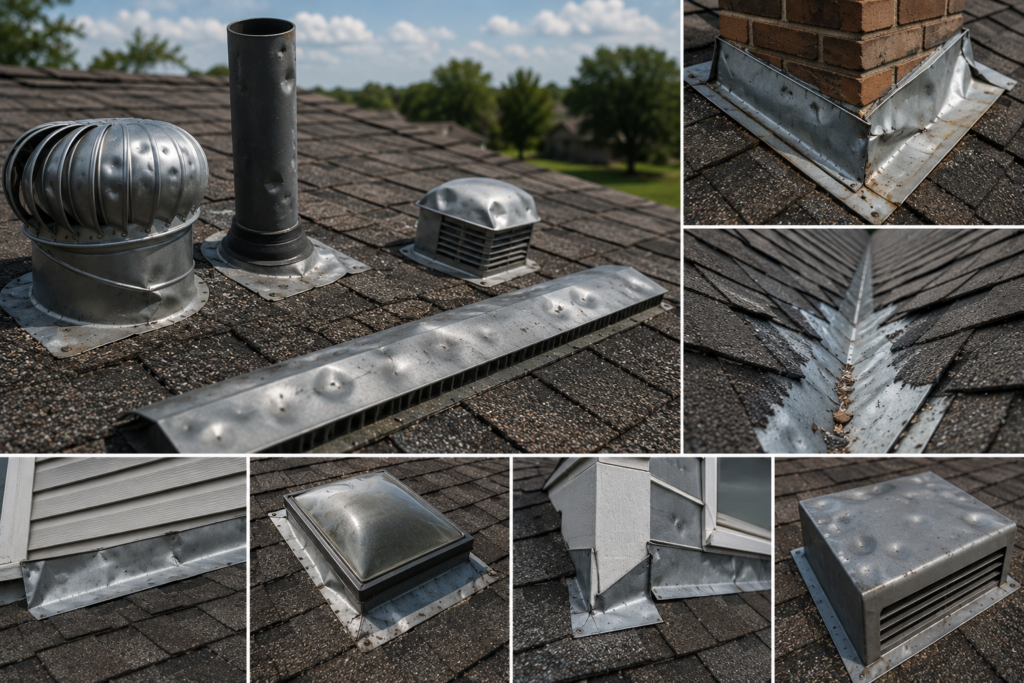
Roof inspections should never focus solely on shingles. Soft metal components often provide critical evidence.
These include:
- Roof vents
- Turbine vents
- Exhaust caps
- Flashing
- Ridge vents
- Metal pipe jacks
Hail frequently leaves visible dents on these surfaces. Those dents help establish storm severity. When insurers dispute shingle damage, soft metal impacts often help demonstrate that hail activity was strong enough to affect the roofing system. Ignoring these indicators can result in incomplete claim evaluations.
Flashing Damage Creates Long-Term Problems
Flashing rarely attracts attention. It should. Flashing protects vulnerable roof transitions where water is most likely to enter.
Common flashing locations include:
- Chimneys
- Roof valleys
- Sidewalls
- Skylights
- Dormers
Storm damage can bend, loosen, puncture, or separate flashing components. The consequences may not become visible immediately. Water intrusion often develops slowly. Months later, homeowners discover stained ceilings, damaged drywall, and mold growth. The roof claim may already be closed.
Underlayment Damage Cannot Be Seen Easily
One of the most overlooked components in roof claims is underlayment. Homeowners rarely see it. Many adjusters cannot fully inspect it. Yet it serves as one of the most important protective layers in the roofing system. When shingles sustain impact damage, the underlayment beneath them may also be compromised. Unfortunately, this damage often becomes visible only after roofing materials are removed.
Contractors frequently discover underlayment issues during construction. At that point, supplemental claims become necessary. Ventilation Systems Are Often Ignored Roofs do more than keep water out. They regulate airflow. Proper ventilation helps control temperature and moisture throughout the attic space.
Storm damage can affect:
- Ridge vents
- Soffit vents
- Turbine vents
- Power vents
- Intake vents
Even seemingly minor damage can reduce system performance.
The consequences include:
- Higher energy costs
- Moisture accumulation
- Mold growth
- Premature roof aging
Ventilation issues often remain hidden for months before symptoms appear.
Gutters and Drainage Systems Are Commonly Overlooked
A roof functions as part of a larger drainage system. Gutters and downspouts are critical components. Storms that damage roofs frequently damage these systems as well.
Common issues include:
- Denting
- Separation
- Sagging
- Impact damage
- Loose fasteners
Ignoring gutter damage can create future drainage problems. Water may overflow, pool near foundations, or damage exterior surfaces. A roof repair that excludes drainage components may leave the property vulnerable.
Interior Damage Is Frequently Underestimated
One of the biggest mistakes during roof claims is focusing exclusively on exterior damage. Water does not stay where it enters. Once moisture penetrates a roofing system, it often travels through multiple building materials.
Potential interior damage includes:
- Ceiling stains
- Wet insulation
- Damaged drywall
- Flooring issues
- Paint damage
- Electrical concerns
Many homeowners assume these issues are unrelated. They are often directly connected to roof failures. Proper documentation of interior damage can significantly impact claim value.
Building Code Requirements Often Get Missed
Modern building codes evolve constantly. Insurance estimates do not always account for every applicable requirement.
Potential code-related items include:
| Component | Possible Upgrade Requirement |
| Fasteners | Enhanced fastening patterns |
| Underlayment | Updated installation methods |
| Flashing | Code-compliant replacement |
| Ventilation | Increased airflow standards |
| Water Barriers | Additional protection layers |
Contractors are often required to comply with current regulations. If estimates fail to include necessary code upgrades, homeowners may face unexpected expenses. This issue alone can create substantial differences between contractor estimates and insurance estimates.
Matching Issues Create Additional Challenges
One increasingly common dispute involves matching. Suppose only one section of a roof is damaged. The insurer may argue for a partial repair. The contractor may explain that matching materials no longer exist.
Now what? Color, texture, age, weathering, and manufacturer availability all affect appearance. A patchwork roof may technically function. It may not restore the property’s pre-loss condition. Material matching disputes have become a major issue in modern roof claims.
Discontinued Roofing Products Complicate Settlements
Manufacturers regularly discontinue products. Shingles available ten years ago may no longer exist today. This creates challenges during partial repair claims. If replacement materials cannot be obtained, contractors may struggle to perform repairs that blend properly with the existing roof. Homeowners are often surprised by this issue. Yet it can dramatically affect settlement discussions.
Starter Shingles and Ridge Caps Frequently Disappear
Some estimate omissions seem minor. They are not. Starter shingles and ridge caps play important roles within the roofing system.
Starter Shingles
These materials provide edge protection and improve wind resistance.
Ridge Caps
These components protect roof peaks and help prevent water intrusion. Omitting either item can affect both cost and performance. Small line items create big differences.
Drip Edge Is Commonly Forgotten
Drip edge helps direct water away from vulnerable roof edges. It protects fascia boards and improves drainage performance. Despite its importance, it is often missing from claim estimates. Contractors typically identify these omissions during construction planning. That leads to additional negotiations and supplemental requests.
Why Contractor Estimates Often Exceed Insurance Estimates
Homeowners frequently compare two estimates and assume someone is exaggerating. The reality is usually more nuanced.
Contractors often identify:
- Hidden damage
- Code requirements
- Material shortages
- Additional labor needs
- Matching concerns
- Safety requirements
Insurance estimates reflect what was documented during the inspection. If something was missed, it cannot appear in the original estimate. This explains why significant differences sometimes exist.
Supplemental Claims Are Extremely Common
Many homeowners assume the original settlement is final. It often is not. Supplemental claims exist because additional damage is discovered after the initial inspection.
Common reasons include:
- Hidden damage
- Code upgrades
- Material availability issues
- Underlayment concerns
- Additional labor requirements
Supplements are a normal part of many roofing projects. Their existence highlights how difficult it can be to identify every issue during a single inspection.
Common Homeowner Mistakes After Storm Damage
Homeowners sometimes make claim problems worse without realizing it.
Common mistakes include:
Waiting Too Long
Damage becomes harder to document over time.
Failing to Photograph Conditions
Photos provide critical evidence.
Accepting the First Estimate Without Review
Estimates should always be examined carefully.
Ignoring Minor Signs of Damage
Small issues often become major repairs.
Discarding Repair Records
Documentation supports future claim discussions.
Avoiding these mistakes can significantly improve claim outcomes.
Warning Signs Your Claim May Be Underpaid
Several red flags deserve attention.
These include:
- Very brief inspections
- No attic inspection
- No interior inspection
- Missing roofing accessories
- Major differences between estimates
- Multiple contractor concerns
- Numerous supplemental requests
These indicators do not automatically prove an underpayment. They do justify additional review.
Steps Homeowners Should Take Immediately
Protecting your claim begins before settlement discussions.
Document Everything
Take photographs from multiple angles. Capture both exterior and interior damage.
Save Records
Maintain:
- Inspection reports
- Contractor estimates
- Repair invoices
- Weather information
- Communication logs
Seek Independent Opinions
Additional inspections often identify issues missed initially.
Review Every Line Item
Do not focus solely on the total amount.
Examine the scope carefully. What is missing can be just as important as what is included.
Why a Public Adjuster Changes the Outcome
Many homeowners assume the insurer’s estimate reflects every damaged component. Sometimes it does. Sometimes it doesn’t. When significant omissions exist, professional claim representation can help identify overlooked damage, review documentation, evaluate estimate scope, and support supplemental claim requests. The objective is not confrontation. The objective is accuracy. A more complete claim often leads to a more complete settlement.
Why Homeowners in Addison Should Pay Attention
North Texas weather can be brutal on roofing systems. Large hail, straight-line winds, severe thunderstorms, and seasonal weather shifts place significant stress on residential roofs. Property owners in Addison often experience storm conditions capable of creating both visible and hidden damage. That makes thorough inspections especially important. The sooner issues are identified, documented, and addressed, the easier it becomes to protect both the property and the claim.
Small Details Can Create Big Outcomes
In advanced science and mathematics, the concept of Topology examines how structures maintain properties despite continuous deformation. Readers interested in this complex field can learn more through Wikipedia:
Roof claims often demonstrate a similar principle. A seemingly small issue can affect the entire system. One missing flashing component can create leaks. One overlooked ventilation problem can generate moisture damage. One omitted code requirement can add thousands of dollars to a project. The details matter. Every single one.
Conclusion
Understanding what insurance adjusters miss on roof claims can make a significant difference for homeowners navigating the insurance process. Roof claims involve far more than visible shingle damage. Hidden wind impacts, hail bruising, flashing failures, underlayment concerns, ventilation problems, code requirements, matching issues, drainage components, and interior water damage all influence the true cost of repairs.
Unfortunately, some of these items are difficult to identify during a single inspection. That does not mean the process is broken. It simply means homeowners should remain engaged, informed, and proactive. Take photographs. Review estimates carefully.
Ask questions. Obtain additional opinions when necessary. Most importantly, remember that what insurance adjusters miss on roof claims can affect not only the amount of an insurance settlement but also the long-term performance and value of the property itself. A thorough review today can prevent expensive surprises tomorrow.
FAQs
Hidden wind damage, flashing issues, underlayment damage, ventilation problems, and code-required upgrades are among the most frequently overlooked items.
Yes. Many forms of hail and wind damage weaken roofing materials without causing immediate leaks.
Contractors often identify additional damage, code requirements, and repair items that may not have been included during the initial inspection.
A supplemental claim is a request for additional payment when previously hidden or omitted damage is discovered after the original estimate.
They can be if the gutters sustained storm-related damage and the damage is properly documented.
Warning signs include missing line items, a very short inspection, or significant differences between contractor and insurance estimates.
These components often show clear evidence of storm impact and can help support the overall damage assessment.
Yes. An independent inspection may uncover damage that was overlooked during the initial insurance evaluation.
Absolutely. Current code requirements may increase repair costs and should be considered when preparing estimates.
Yes. Undiscovered damage can result in leaks, mold growth, structural issues, and costly repairs later.