
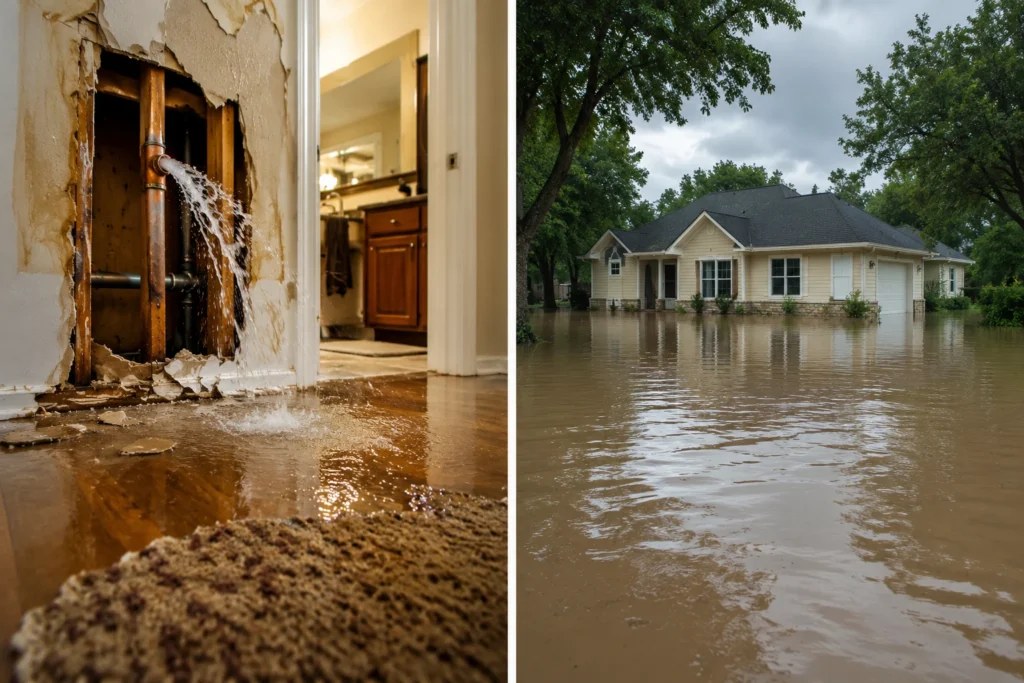
Water damage can turn a normal day into a stressful and expensive situation in a matter of minutes. A burst pipe, overflowing appliance, roof leak, or plumbing failure can leave homeowners and business owners scrambling for answers. That is exactly why a Water Damage Public Adjuster Addison, TX can become one of the most important professionals involved in the recovery process. While dealing with damaged property, many policyholders are also trying to understand complicated insurance policies that often feel as challenging as concepts like topological space. The reality is simple: insurance claims can become overwhelming very quickly.
The physical damage is only one part of the problem. The insurance claim is often an entirely separate battle. Many property owners assume the insurance company will identify every damaged item, accurately calculate repair costs, and issue a settlement that fully restores the property. Sometimes that happens. Other times, important damage is overlooked, repair costs are underestimated, or disagreements arise regarding coverage.
Those disagreements can have serious financial consequences. This is where the discussion shifts toward Why a Public Adjuster Changes the Outcome for Homeowners. When major water damage occurs, having a professional advocate focused on protecting the policyholder’s interests can dramatically affect both the claim experience and the final settlement. Understanding the process before problems arise puts you in a stronger position when water damage strikes.
Understanding Water Damage Insurance Claims
Water damage claims are among the most frequently filed insurance claims in the United States. Yet they remain some of the most misunderstood. Many people assume water damage is straightforward. Water enters the property, repairs are made, and the insurance company pays the bill.
In reality, the process is far more complex. Insurance companies investigate the source of the water, determine whether coverage applies, evaluate the extent of damage, calculate repair costs, review policy limitations, and analyze whether maintenance issues contributed to the loss. Every step creates opportunities for disputes.
Common Causes of Water Damage
Water damage can result from numerous situations:
- Burst water pipes
- Frozen plumbing lines
- Water heater failures
- Washing machine hose ruptures
- Dishwasher leaks
- Refrigerator supply line failures
- Roof leaks
- HVAC drainage problems
- Plumbing backups
- Firefighting efforts after a fire
Some losses happen instantly. Others develop gradually over time. A small leak hidden behind a wall may continue for weeks before being discovered. By then, the damage can be extensive.
Why Water Damage Claims Become Challenging
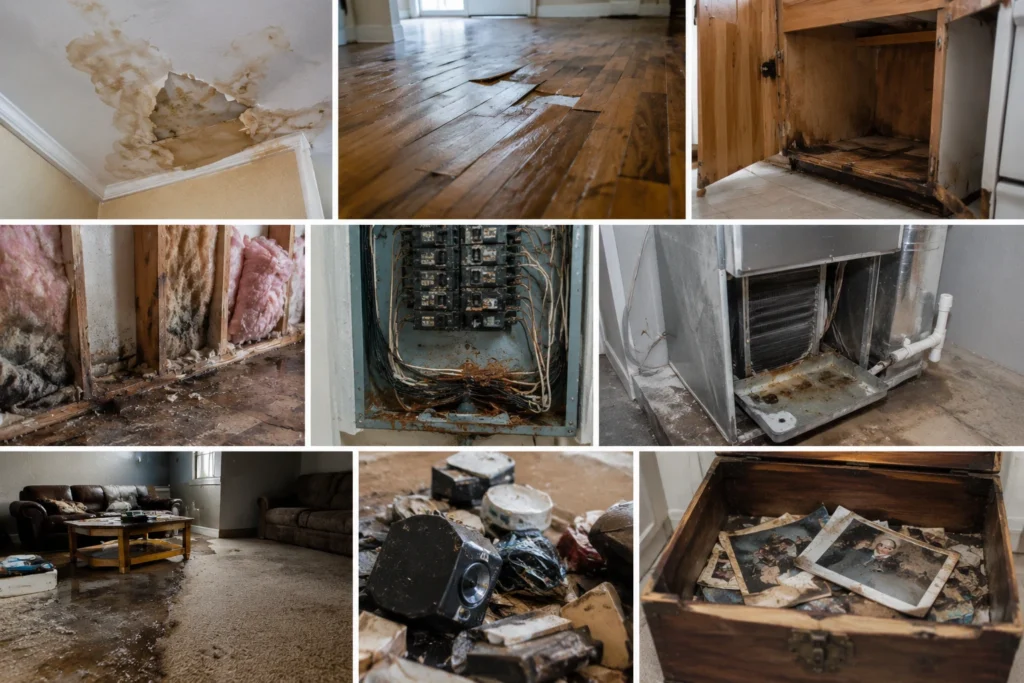
Water rarely stays where it starts. It spreads. It moves behind walls. It seeps beneath flooring. It saturates insulation. It damages structural materials. The visible damage often represents only a fraction of the total loss.
For example, a ceiling stain might appear minor. However, above that stain could be damaged insulation, mold growth, weakened framing, and moisture trapped inside wall cavities. Without proper investigation, those hidden issues may remain undocumented. And undocumented damage often becomes uncompensated damage.
The Difference Between Water Damage and Flood Damage
One of the most important distinctions involves water damage versus flood damage. Many policyholders assume they are interchangeable. They are not. In many cases, homeowner policies cover sudden and accidental water damage originating from within the property. Flooding caused by rising groundwater generally requires separate flood insurance coverage.
Examples include:
| Water Damage | Flood Damage |
| Burst pipe | River overflow |
| Appliance failure | Storm surge |
| Water heater leak | Flash flooding |
| Plumbing leak | Rising groundwater |
The distinction matters because coverage decisions often depend on the source of the water. Misunderstanding this difference can lead to unrealistic expectations and unexpected claim outcomes.
What Does a Water Damage Public Adjuster Do?
A public adjuster is a licensed insurance claims professional who represents policyholders. Not insurance companies. Not contractors. Not restoration companies. Policyholders. Their role is to evaluate damage, prepare claims, document losses, and negotiate with insurance carriers on behalf of property owners. A Water Damage Public Adjuster Addison, TX acts as an advocate throughout the claims process.
Key Responsibilities
Public adjusters often assist with:
- Insurance policy review
- Property inspections
- Damage documentation
- Contents inventories
- Repair estimates
- Claim preparation
- Settlement negotiations
- Supplemental claims
Their objective is straightforward. Identify every covered loss and pursue fair compensation.
Why This Matters
Insurance policies contain detailed language. Coverage provisions. Exclusions. Limitations. Conditions. Endorsements. Many policyholders have never read their policy until a loss occurs. Even then, understanding it can be difficult. A public adjuster helps bridge that knowledge gap.
Why Experience Matters in Water Damage Claims
Experience often determines what gets documented and what gets missed. That difference can affect thousands of dollars. Water damage is not limited to wet carpet or stained drywall. Experienced public adjusters understand where hidden damage frequently exists.
Areas commonly overlooked include:
- Subfloor systems
- Structural framing
- Wall cavities
- Insulation
- Electrical systems
- HVAC components
- Built-in cabinetry
They also understand how moisture behaves. Water can travel surprisingly far from its original source. A professional inspection often reveals issues that are not immediately visible.
Signs You Should Hire a Public Adjuster
Not every water damage claim requires professional representation. However, certain situations make it worth serious consideration.
Your Claim Was Denied
A denial does not always mean the claim lacks merit. Sometimes additional evidence is needed. Sometimes policy language is interpreted differently. Sometimes damage is not documented adequately. A public adjuster can evaluate the denial and identify potential next steps.
The Settlement Appears Too Low
Many property owners receive estimates that seem insufficient.
Common reasons include:
- Missing repair items
- Underpriced labor
- Incomplete inspections
- Overlooked damage
Even small omissions can significantly affect the final settlement.
The Damage Is Extensive
Larger losses involve more moving parts. More contractors. More documentation. More negotiations. As claim complexity increases, professional representation often becomes more valuable.
Mold Is Present
Mold introduces additional concerns. Health concerns. Remediation costs. Coverage questions. Documentation becomes especially important.
The Water Damage Claim Process
Understanding the claims process helps property owners avoid costly mistakes.
Step One: Emergency Mitigation
The first priority is preventing further damage.
Mitigation efforts may include:
- Water extraction
- Drying equipment
- Leak repairs
- Temporary roof coverings
- Debris removal
Insurance policies often require reasonable efforts to protect the property. Failing to act promptly can create additional challenges later.
Step Two: Document Everything
Documentation is critical. Take photographs before cleanup begins whenever possible.
Capture:
- Wide-angle room views
- Close-up damage images
- Damaged personal property
- Standing water
- Structural damage
The more evidence available, the stronger the claim often becomes.
Step Three: Notify the Insurance Company
Claims should generally be reported promptly. Delays can create unnecessary complications.
Questions may arise regarding:
- Cause of damage
- Timeline of events
- Extent of loss
Prompt reporting helps reduce uncertainty.
Step Four: Insurance Inspection
An insurance representative typically inspects the property. This inspection plays a significant role in determining claim value. What gets documented matters. What gets missed matters too.
Step Five: Scope and Estimate Development
The insurance company develops a repair estimate.
This estimate outlines:
- Repairs
- Materials
- Labor costs
- Replacement items
Disagreements frequently emerge during this stage.
Step Six: Negotiation
Negotiation often becomes necessary when repair costs differ.
Factors commonly disputed include:
- Material pricing
- Code upgrades
- Labor rates
- Scope of repairs
- Hidden damage
Step Seven: Settlement and Restoration
Once the claim is resolved, repairs can proceed according to the agreed scope. However, additional damage discoveries sometimes result in supplemental claims.
Common Water Damage Losses That Are Frequently Underestimated
Many claims focus heavily on visible damage. That creates problems. Hidden damage often carries substantial repair costs.
Drywall and Ceiling Damage
Water spreads quickly through porous materials. Drywall often absorbs moisture like a sponge. What appears to be a minor stain may require extensive replacement.
Flooring Damage
Water can affect:
- Hardwood flooring
- Laminate flooring
- Carpet
- Tile underlayment
- Subfloors
Replacement needs often extend beyond visibly damaged areas.
Cabinet Damage
Cabinets frequently absorb moisture. Swelling. Warping. Structural deterioration. Damage may continue developing long after the initial event.
Electrical System Damage
Water and electricity are a dangerous combination. Electrical inspections may become necessary even when visible damage seems limited.
HVAC System Damage
Water can affect:
- Air handlers
- Ductwork
- Electrical controls
- Ventilation systems
These losses are sometimes overlooked during initial inspections.
Personal Property Losses
Furniture. Electronics. Clothing. Documents. Artwork. Personal property damage can represent a significant portion of the claim. Proper inventory documentation is essential.
How Insurance Companies Evaluate Water Damage Claims
Insurance companies follow established claim procedures. However, every evaluation involves professional judgment. That judgment affects outcomes.
Areas Reviewed During Evaluation
Insurance adjusters often examine:
- Cause of loss
- Scope of damage
- Policy coverage
- Repair costs
- Depreciation
- Mitigation efforts
Each category influences settlement calculations.
Common Reasons Claims Are Reduced
| Issue | Potential Impact |
| Missing documentation | Reduced settlement |
| Delayed reporting | Coverage concerns |
| Maintenance allegations | Partial denial |
| Incomplete inspections | Missed damage |
| Lack of evidence | Claim disputes |
Understanding these issues helps property owners prepare more effectively.
Benefits of Hiring a Water Damage Public Adjuster
Many property owners wonder whether hiring a public adjuster is worthwhile. The answer often depends on the size and complexity of the claim.
Comprehensive Documentation
Documentation drives claim outcomes. Detailed evidence creates stronger negotiating positions.
Independent Evaluation
Insurance companies conduct their own inspections. A public adjuster provides an independent assessment focused on the policyholder’s interests.
Accurate Repair Cost Analysis
Construction costs fluctuate. Material pricing changes. Labor rates vary. Accurate estimating helps ensure claim values reflect actual restoration costs.
Reduced Stress
Water damage is stressful enough. Managing contractors, mitigation companies, insurance representatives, and paperwork simultaneously can become overwhelming. Professional assistance helps reduce that burden.
Stronger Negotiations
Negotiation experience matters. Experienced public adjusters negotiate claims regularly. That expertise can be valuable when disagreements arise.
Residential Water Damage Claims
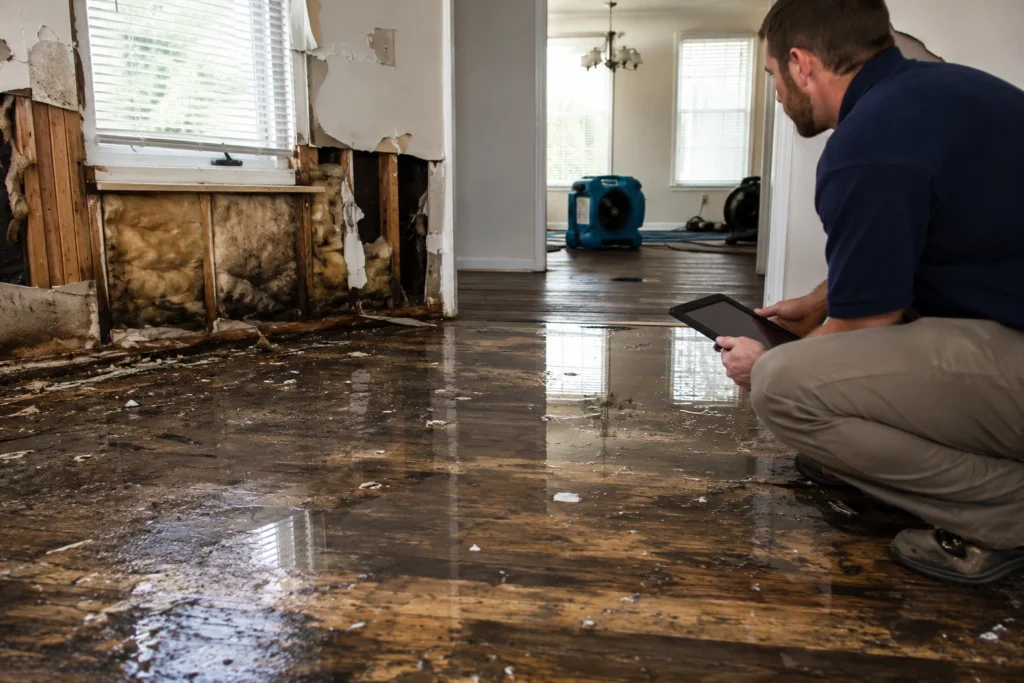
For homeowners, water damage often affects far more than the physical structure. It affects daily life. Bedrooms may become unusable. Family schedules may be disrupted. Temporary housing may be required. The emotional impact can be significant.
Common residential water damage scenarios include:
- Burst pipes
- Water heater failures
- Appliance leaks
- Toilet overflows
- Roof leaks
- Storm-related water intrusion
Challenges Homeowners Face
Many homeowners underestimate restoration costs. What begins as a simple leak can evolve into:
- Demolition
- Drying services
- Mold remediation
- Structural repairs
- Flooring replacement
- Interior finishing work
Without thorough documentation, portions of these costs may be overlooked.
Commercial Water Damage Claims
Commercial claims introduce another level of complexity. Businesses often face losses beyond physical damage. Lost income becomes a major concern. Operations may slow. Sometimes they stop completely. A Water Damage Public Adjuster Addison, TX frequently assists business owners facing complicated commercial losses.
Types of Commercial Properties Commonly Affected
- Office buildings
- Retail stores
- Restaurants
- Warehouses
- Medical facilities
- Professional offices
Business Interruption Coverage
Physical repairs represent only one part of the loss.
Business interruption coverage may address:
- Lost revenue
- Continuing payroll
- Temporary relocation expenses
- Equipment rentals
- Extra operating costs
Proper calculation is essential. Underestimating business interruption losses can significantly impact recovery.
Mistakes Property Owners Make After Water Damage
Some mistakes occur repeatedly. And they can be expensive.
Waiting Too Long
Time matters. Delays create questions. Questions create disputes. Prompt action strengthens claims.
Throwing Away Evidence
Damaged materials often provide valuable proof. Discarding them too soon may weaken documentation.
Failing to Take Photographs
Photographs create objective evidence. Without them, proving the extent of damage becomes more difficult.
Accepting the First Offer
The first offer is not always the final offer. Additional documentation may support further adjustments.
Beginning Repairs Too Quickly
Emergency mitigation is important. However, documenting damage before major repairs begin is equally important. Balance matters.
Choosing the Right Public Adjuster
Not all professionals have the same experience. Choosing carefully matters.
Questions to Ask
- Are you licensed?
- How much water damage experience do you have?
- How do you document claims?
- How often do you negotiate water damage losses?
- How are fees structured?
- Can you explain your process?
Transparency matters. Communication matters. Experience matters.
Why Local Experience Matters
Local experience provides valuable insight. Construction costs vary from market to market. Building styles differ. Weather patterns influence damage trends. A public adjuster familiar with Addison understands many of the challenges local property owners encounter. That knowledge can help streamline inspections, documentation, and negotiations. Local familiarity often improves efficiency. And efficiency can be valuable during stressful claim situations.
Conclusion
Water damage can create significant financial and emotional challenges. The visible damage is often only the beginning. Hidden moisture, structural concerns, personal property losses, business interruption issues, and insurance disputes can quickly transform a manageable situation into a complicated claim.
A Water Damage Public Adjuster Addison, TX helps property owners navigate those challenges with professional guidance, detailed documentation, and experienced negotiation. Whether the loss involves a burst pipe, appliance failure, roof leak, or large-scale commercial water intrusion, professional representation can help ensure every covered damage is identified and properly evaluated.
The objective is not simply to file a claim. It is to achieve a fair recovery. When water damage affects your property, informed decisions made early in the process can have a lasting impact on the final outcome. For homeowners and business owners in Addison, understanding the value of professional claim representation may be one of the most important steps toward protecting both property and financial stability.
FAQs
A public adjuster represents the policyholder during the insurance claim process, helping document damage, prepare the claim, and negotiate a fair settlement.
It is best to contact a public adjuster as soon as possible after discovering the damage so important evidence can be documented properly.
Yes. A public adjuster can review the denial, examine the policy, and determine whether additional documentation or negotiation may help.
Most public adjusters work on a contingency fee basis, meaning they receive a percentage of the claim settlement.
Not always. Coverage depends on the cause of the damage and the specific terms of the insurance policy.
Yes. Hidden damage behind walls, under floors, or inside structural components may be covered if properly documented.
Stop the source of the water if possible, document the damage with photos, and notify your insurance company promptly.
Yes. Public adjusters frequently assist businesses with property damage, business interruption losses, and claim negotiations.
The timeline varies depending on the severity of the damage, documentation requirements, and whether claim disputes arise.
For significant or complex claims, professional representation can help identify overlooked damages and support a more accurate settlement.