Hailstorms can leave homeowners facing expensive repairs, frustrating insurance conversations, and a long list of unanswered questions. When aluminum siding is involved, those challenges often become even more complicated. Understanding aluminum siding hail damage insurance claims is critical because the outcome can significantly affect how much money you receive for repairs and whether your home is properly restored.
Many homeowners become familiar with something often called The Waiting Game After Filing a Claim. The storm is over. The damage is visible. Yet weeks may pass while inspections, estimates, and insurance reviews move forward. During that time, understanding your rights and responsibilities can make a major difference in the final settlement. Whether you live in Addison, another hail-prone community, or anywhere severe weather strikes regularly, knowing how insurance companies evaluate aluminum siding damage can help you avoid costly mistakes. This guide explains how hail affects aluminum siding, what insurance policies often cover, common claim disputes, and practical steps homeowners can take to strengthen their position.
Understanding Aluminum Siding Hail Damage
Aluminum siding has protected homes for decades. It became especially popular because it resisted pests, would not rot like wood, and generally required less maintenance than many traditional exterior materials. Despite those advantages, aluminum siding has a well-known weakness.
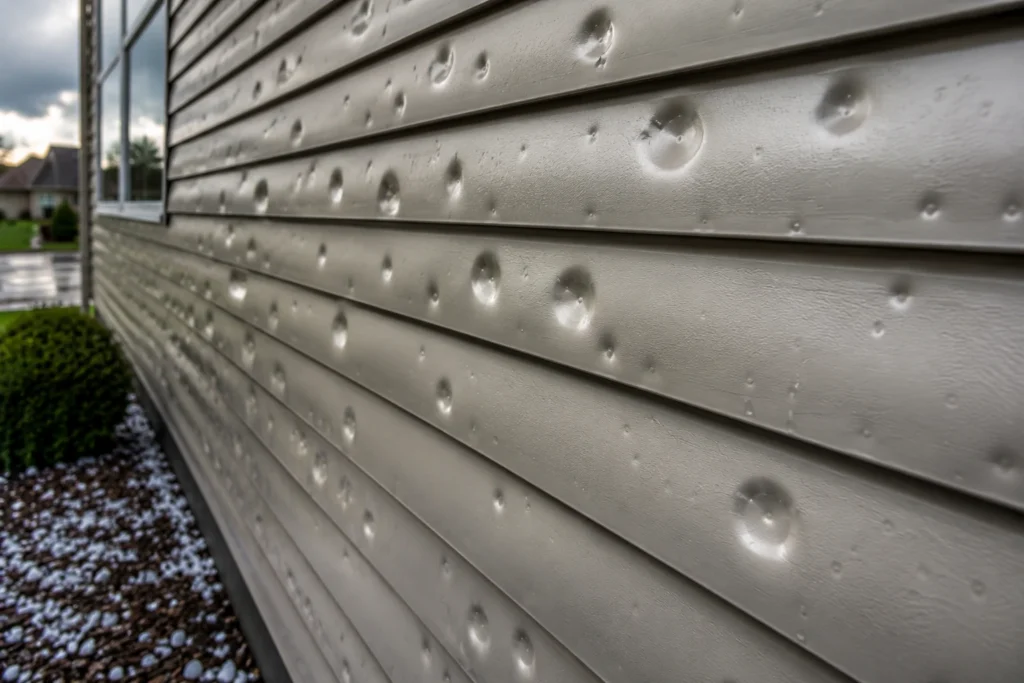
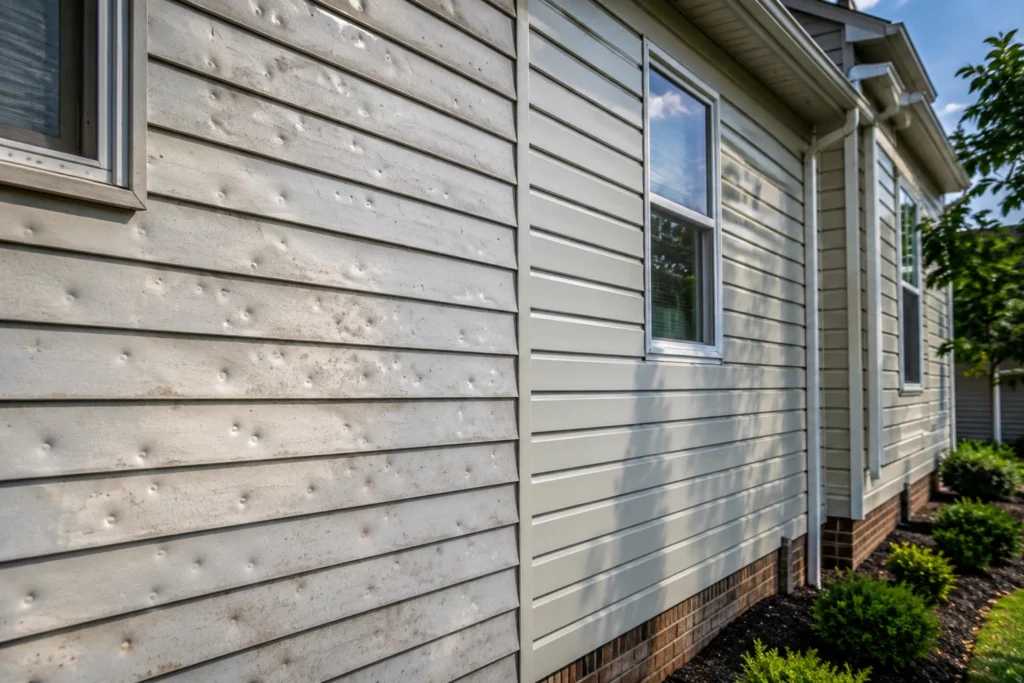
It dents easily. When hailstones strike aluminum surfaces, they often leave permanent impact marks. Unlike some materials that crack, chip, or shatter, aluminum absorbs force through deformation. The result is usually a series of visible dents scattered across the home’s exterior.
The severity of damage varies considerably. A brief storm with small hail may leave only a handful of noticeable impacts. A severe hailstorm with larger hailstones and strong winds can create hundreds of dents across multiple elevations. What makes aluminum siding claims unique is that the damage is often visible but not necessarily structural. This creates one of the most common areas of disagreement between homeowners and insurance carriers.
What Happens When Hail Strikes Aluminum Siding?
Several factors influence the extent of damage:
- Hail size
- Wind speed
- Angle of impact
- Age of siding
- Existing condition of the material
- Thickness of the aluminum
For example, quarter-sized hail may leave minor dents under certain conditions. Golf-ball-sized hail driven by high winds can create extensive and highly visible damage. Wind direction matters as well. The side of the home facing the storm often experiences the most significant impacts. This directional damage pattern is something insurance adjusters commonly evaluate during inspections.
Common Signs of Aluminum Siding Hail Damage
Homeowners should look for:
- Circular dents
- Random impact marks
- Paint damage
- Scratches caused by hail strikes
- Loose siding sections
- Damage around trim and corners
- Dented soffits and fascia
Not every dent is easy to see. In fact, some of the most significant damage becomes visible only under certain lighting conditions. Early morning or late afternoon sunlight often highlights dents that are difficult to identify during midday inspections.
Why Aluminum Siding Is Different From Other Siding Materials
Every siding material reacts differently to hail. Vinyl may crack. Fiber cement may chip. Wood may splinter. Aluminum dents. Because aluminum often remains attached and functional after a storm, insurers sometimes classify the damage as cosmetic. Homeowners, however, frequently argue that widespread visible dents negatively affect the home’s appearance and value. That distinction often becomes the foundation of an aluminum siding hail damage insurance claim.
Does Homeowners Insurance Cover Aluminum Siding Hail Damage?
Most homeowners insurance policies provide coverage for sudden and accidental hail damage. However, coverage is never automatic. Insurance policies contain limitations, exclusions, endorsements, and definitions that may influence the outcome of a claim. The specific wording of the policy matters.
When Hail Damage Is Commonly Covered
Coverage is often available when:
- A verified hailstorm occurred
- Damage can be linked to the storm
- Impacts are visible and documented
- The claim is filed promptly
- No significant pre-existing damage exists
Strong documentation usually improves the likelihood of a favorable outcome.
Situations That May Lead to Claim Denials
Insurance companies may deny or limit claims when they believe:
| Potential Issue | Insurance Argument |
| Wear and Tear | Damage resulted from aging |
| Maintenance Concerns | Existing deterioration caused issues |
| Prior Damage | Damage predates the storm |
| Delayed Reporting | Cause of damage cannot be confirmed |
| Cosmetic Exclusion | Damage affects appearance only |
A denial does not automatically mean the insurer is correct. However, it does mean the homeowner may need additional evidence to support the claim.
Understanding Cosmetic Damage Exclusions
Many homeowners discover cosmetic damage exclusions only after filing a claim. These provisions can limit payment when hail damage affects appearance but does not impair function. The wording varies widely between policies. Some exclusions apply only to specific materials.
Others may be broader. Because aluminum siding often suffers visible denting rather than functional failure, cosmetic damage exclusions can play a significant role in aluminum siding hail damage insurance disputes.
The Aluminum Siding Matching Problem
One of the most expensive claim issues has little to do with hail itself. It involves matching.
Why Matching Matters
Imagine your home has twenty-year-old aluminum siding. A hailstorm damages one elevation. The insurer agrees to replace the affected section. At first glance, that seems reasonable. Then the contractor begins searching for replacement materials. The original product is discontinued. The color no longer exists. The texture has changed. The profile is different. Now what?
The Challenge of Aging Materials
Exterior materials change over time. Sun exposure fades colors. Manufacturers modify designs. Product lines disappear. Even if a replacement panel appears similar, small differences often become obvious once installed. This can create a patchwork appearance that many homeowners find unacceptable.
Real-World Matching Issues
Common problems include:
- Different panel widths
- Different textures
- Different finishes
- Color fading
- Manufacturer discontinuation
The result is often a repair that technically replaces damaged siding but fails to restore the home’s original appearance.
Why Matching Disputes Become Expensive
Matching disagreements can dramatically increase claim values. A carrier may initially approve replacement of one wall. A contractor may argue that multiple elevations must be replaced to achieve a reasonably uniform appearance. That difference can represent thousands of dollars. In some cases, it can represent tens of thousands.
Can Insurance Be Required to Replace More Than the Damaged Area?
The answer depends on:
- Policy language
- Product availability
- State regulations
- Degree of mismatch
- Specific claim facts
This is why thorough documentation and professional inspections become so important.
How Insurance Adjusters Evaluate Aluminum Siding Hail Damage
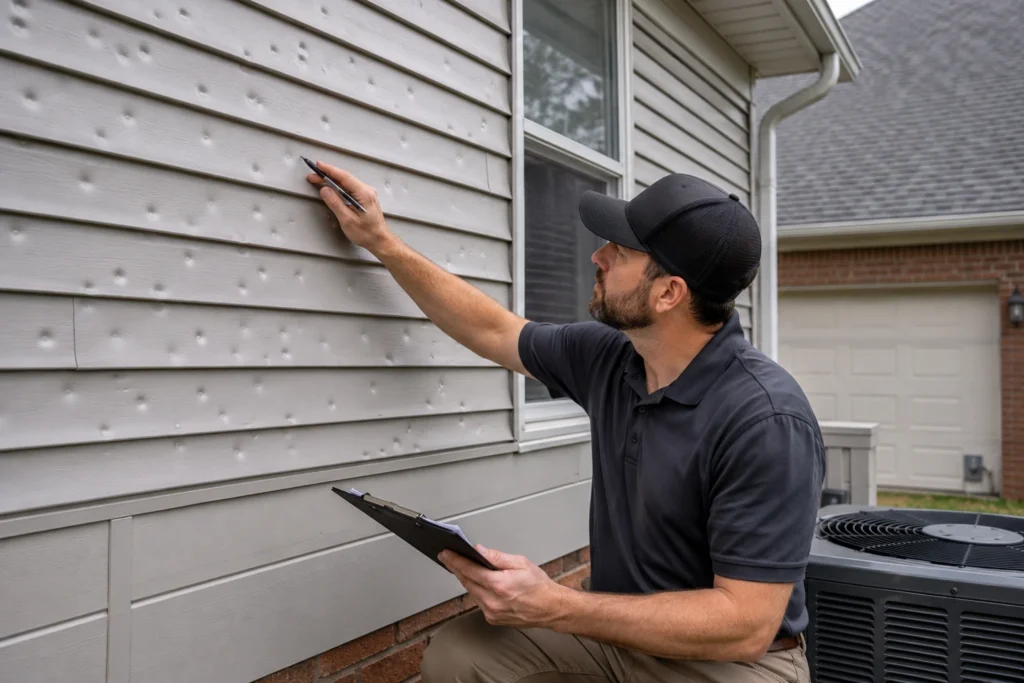
Insurance adjusters are trained to identify storm-related damage. Understanding their process can help homeowners prepare more effectively.
What Adjusters Look For
During inspections, adjusters often evaluate:
- Number of dents
- Consistency of impacts
- Directional patterns
- Storm-related evidence
- Associated exterior damage
They frequently inspect additional components as well.
These may include:
- Gutters
- Downspouts
- Window wraps
- Garage doors
- HVAC equipment
- Metal roof accessories
Consistent damage across multiple surfaces often strengthens the claim.
Why Direction Matters
Hail does not strike every surface equally. Storm direction frequently creates concentrated impacts on specific elevations. Adjusters evaluate whether the damage pattern matches known storm conditions. For example, dents concentrated on one side of the home may support the claim if weather data confirms the storm approached from that direction.
Evidence That Strengthens a Claim
Strong documentation may include:
- High-quality photographs
- Video evidence
- Contractor reports
- Inspection findings
- Weather records
- Previous property photos
The goal is simple. Connect the storm to the damage as clearly as possible.
Common Inspection Mistakes
Even experienced inspectors can overlook issues. Common problems include:
- Missing elevations
- Incomplete measurements
- Failure to consider matching
- Underestimating dent density
- Overlooking accessory damage
Because of these possibilities, many homeowners choose to obtain independent inspections.
Why Independent Inspections Matter
A second opinion often reveals additional information. Independent inspectors may identify:
- Hidden impacts
- Matching concerns
- Repair limitations
- Additional affected components
The more complete the documentation, the more informed the claim discussion becomes.
Aluminum Siding Repair vs. Replacement
Not every damaged panel requires replacement. Likewise, not every repair is sufficient. Determining the correct scope requires careful evaluation.
When Repairs May Be Appropriate
Repairs may work when:
- Damage is isolated
- Matching materials exist
- Impacts are limited
- Appearance concerns are minimal
Small repairs can sometimes restore the exterior effectively.
When Replacement Is Necessary
Replacement becomes more likely when:
- Damage is widespread
- Multiple elevations are affected
- Matching products are unavailable
- Water intrusion concerns exist
- Visible dents are extensive
Many aluminum siding hail damage insurance disputes revolve around this repair-versus-replacement question.
Long-Term Consequences of Inadequate Repairs
Poor repairs can create future problems.
These may include:
- Reduced curb appeal
- Lower resale value
- Visible mismatches
- Ongoing maintenance issues
- Additional disputes during future claims
Saving money today can sometimes create larger expenses later.
Cost Comparison
| Scope of Work | Typical Project Size |
| Spot Repair | Small isolated section |
| Partial Replacement | One elevation |
| Multi-Elevation Replacement | Several sides |
| Full Replacement | Entire exterior |
The appropriate solution depends on the facts of each claim.
Mid-Claim Challenges Homeowners Often Encounter
Many homeowners expect a straightforward process. Reality is often different. Claims can become complicated.
Documentation Requests
Insurance companies frequently request additional information.
This may include:
- Contractor estimates
- Photographs
- Weather records
- Inspection reports
Providing organized documentation can help keep the claim moving forward.
Delays During the Review Process
Several parties may be involved:
- Homeowner
- Insurance adjuster
- Supervisor
- Contractor
- Engineer
- Claims reviewer
Each participant adds another step to the process. Communication delays are common. Organization helps minimize frustration.
Understanding Material Deformation
Some claim discussions involve the technical behavior of metals under impact forces. Homeowners interested in learning more about the science behind permanent denting can review Wikipedia’s explanation of Plastic deformation, which helps explain why aluminum often remains permanently dented after hail impacts.
Supplemental Claims
Additional damage is often discovered after the initial inspection.
Examples include:
- Hidden impacts
- Additional elevations
- Matching concerns
- Trim damage
When new information emerges, supplemental requests may be submitted. Supplements are common in large property claims.
Filing an Aluminum Siding Hail Damage Insurance Claim
The way a claim is handled from the beginning can significantly influence the outcome.
Step 1: Document the Damage Immediately
Take photographs from multiple angles.
Include:
- Wide shots
- Close-up impacts
- All elevations
- Related property damage
Early documentation creates a stronger record.
Step 2: Schedule a Professional Inspection
Professional inspections often identify issues homeowners miss.
An inspection report can provide:
- Damage descriptions
- Repair recommendations
- Photographic evidence
- Matching concerns
Step 3: Review Your Policy
Focus on:
- Deductibles
- Exclusions
- Endorsements
- Coverage limits
- Reporting deadlines
Understanding the policy reduces surprises later.
Step 4: File Promptly
Delays create complications. Prompt reporting helps establish a clear connection between the storm and the damage.
Step 5: Participate in the Inspection
Whenever possible:
- Attend the inspection
- Ask questions
- Take notes
- Request explanations
Being involved helps homeowners better understand the claim process.
What to Do If the Insurance Company Underpays Your Claim
Receiving a payment does not necessarily mean the claim is complete. Many disputes begin after the initial estimate arrives.
Warning Signs of Underpayment
Potential concerns include:
- Missing elevations
- Incomplete scope
- Ignored matching issues
- Low labor pricing
- Missing components
Carefully compare the estimate to actual conditions.
Request a Reinspection
If concerns exist, homeowners may request additional review. New documentation can sometimes change the insurer’s position.
Obtain Additional Estimates
Multiple professional opinions often provide valuable insight. Comparing estimates can help identify discrepancies.
Present Evidence Professionally
Documentation carries weight.
Emotion rarely does.
Present:
- Photos
- Measurements
- Inspection reports
- Product availability information
A well-supported argument is generally more effective than a frustrated one.
Why Large Claims Require Detailed Review
Even small estimating errors can have significant financial consequences.
For example:
- Missing one elevation
- Underestimating material quantities
- Ignoring matching concerns
Each issue can affect settlement amounts substantially.
Aluminum Siding Hail Damage and Home Value
Some people view dented siding as merely cosmetic. Buyers often see it differently.
Appearance Influences Perception
The exterior creates a first impression.
Visible damage can cause buyers to question:
- Property condition
- Maintenance history
- Future expenses
Even if the concerns are inaccurate, they can still influence negotiations.
Resale Considerations
Potential buyers may:
- Request repair credits
- Lower offers
- Seek additional inspections
- Move on to another property
Visible storm damage can create obstacles during the sales process.
Neighborhood Appearance Matters
Homes rarely exist in isolation. In communities like Addison, overall neighborhood appearance often influences buyer expectations. Maintaining exterior consistency can help preserve property appeal.
Long-Term Financial Impact
Proper restoration is not simply about appearance.
It may influence:
- Marketability
- Buyer confidence
- Appraised value
- Future insurance claims
These factors make claim accuracy especially important.
Preventing Future Aluminum Siding Storm Damage
No siding material can eliminate hail risk completely. However, homeowners can reduce future complications.
Conduct Regular Exterior Inspections
Inspect the home after:
- Hailstorms
- Windstorms
- Severe weather seasons
Early detection often prevents larger problems.
Maintain Property Records
Keep:
- Installation invoices
- Repair records
- Exterior photographs
- Warranty information
Historical documentation becomes valuable evidence during future claims.
Evaluate Upgrade Opportunities
When replacement becomes necessary, homeowners may consider more impact-resistant materials.
Factors to evaluate include:
- Cost
- Durability
- Maintenance requirements
- Local weather risks
Act Quickly After Storms
Time matters. Evidence becomes harder to gather as months pass. Prompt inspections help establish clearer claim documentation. For homeowners in Addison and other hail-prone communities, early action often improves claim outcomes.
Conclusion
Navigating an aluminum siding hail damage insurance claim can be more challenging than many homeowners expect. The visible dents are only part of the equation. Matching disputes, cosmetic damage exclusions, repair-versus-replacement disagreements, and settlement negotiations frequently influence the final outcome just as much as the storm itself.
The strongest aluminum siding hail damage insurance claims are built on preparation. Detailed photographs. Professional inspections. Organized documentation. Careful policy review. These elements help create a clearer picture of the damage and support more productive conversations with insurance carriers. Homeowners should never assume the first inspection tells the entire story. Claims evolve. Additional information surfaces. Matching concerns emerge. Supplemental requests become necessary. Taking a proactive approach throughout the process can help ensure that important details are not overlooked.
Most importantly, every aluminum siding hail damage insurance claim is unique. The age of the siding, the severity of the storm, the availability of matching materials, and the specific language of the insurance policy all influence the outcome.For homeowners dealing with hail damage, understanding the process before problems arise is one of the best ways to protect both the property and the potential claim recovery. A well-documented claim supported by strong evidence often places homeowners in the best possible position to pursue a fair settlement and restore their home with confidence.
FAQs
Most homeowners insurance policies cover hail damage, but coverage depends on the policy language, exclusions, and the specific facts of the claim.
Look for dents, dings, impact marks, paint damage, and visible distortions on siding panels, trim, gutters, and other metal surfaces.
Yes. Some policies contain cosmetic damage exclusions that may limit or exclude coverage for dents that do not affect functionality.
Take photographs of the damage, document the date of the storm, and schedule a professional inspection as soon as possible.
Older aluminum siding may be discontinued or faded, making it difficult to match replacement panels with the existing exterior.
It depends on the policy, matching requirements, material availability, and whether a partial repair can reasonably restore the home’s appearance.
Claim deadlines vary by policy and state, so homeowners should report damage as soon as possible after discovering it.
Yes. Homeowners can request a reinspection, provide additional documentation, or submit supplemental estimates for review.
The answer depends on the extent of the damage, the availability of matching materials, and whether repairs can restore the home’s appearance.
Yes. Visible dents and mismatched repairs can reduce curb appeal and may influence buyer perceptions during a home sale.